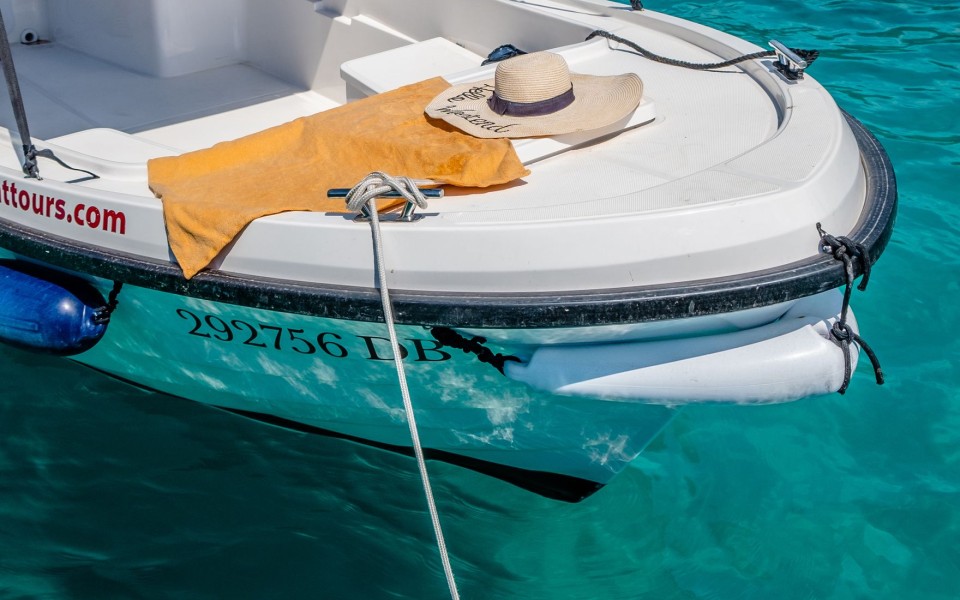
A first boat tour feels easier when a few simple details are handled before you step on board. The right clothing, realistic timing, basic safety habits, and a small personal packing list can turn a nervous start into a smooth day on the water. Whether you are joining a relaxed coastal outing or a private island-hopping trip, good preparation helps you enjoy the sea instead of thinking about what you forgot, especially when booking through Adriatic Boat Tours.
Start with the right plan
Every successful tour begins with a clear plan. Before the day of departure, check the meeting point, boarding time, expected duration, and the general route. Some tours focus on sightseeing, while others include swimming stops, snorkeling, or visits to hidden coves and nearby islands. Knowing the pace of the experience helps you dress properly and pack only what you need.
It is also useful to ask what is already included on the boat. In many cases, safety gear, drinking water, or shade options are available on board, so there is no need to overpack. If the operator offers local insight, that can shape your expectations as well. A guided coastal trip often becomes more memorable when the crew shares practical tips about beaches, viewpoints, and lesser-known stops along the route.
Dress for comfort, sun, and movement
Clothing can make a major difference during your first boating outing. Choose light, breathable fabrics that dry quickly and feel comfortable in the sun. Soft layers work well because conditions can change over time, especially if the weather shifts or the boat picks up speed. Even on a warm day, wind on the water can feel cooler than expected.
Footwear matters too. Pick flat shoes or sandals with a secure grip if the deck may become wet. Avoid anything slippery or difficult to walk in. A hat, sunglasses, and sunscreen are equally important, especially during midday tours when reflection from the water increases sun exposure.
If swimming is part of the experience, bring a towel and a change of clothes in a dry bag. Keeping personal items protected from splashes is a simple but effective way to stay comfortable throughout the trip.
Understand the essentials of boat safety
Basic safety knowledge is one of the most valuable things to bring to your first boat tour. You do not need previous boating experience, but you should know where the life jacket is stored and listen carefully to the crew’s instructions before you set sail. If you are unsure about anything, ask before the boat leaves the dock.
A properly fitted life jacket is not just for emergencies. On some tours, the crew may advise passengers to wear a jacket during certain parts of the ride, especially in rougher conditions or during higher-speed transfers. Following those instructions is part of being a responsible guest on board.
It also helps to notice where the emergency equipment is kept. Many boats carry a first aid kit, communication devices, and other required safety supplies. You may never need the first aid equipment, but simply
knowing that a first aid kit and other essentials are available can make the whole experience feel more reassuring.
Pack only what adds value
The best approach is to bring a small, practical set of items. Too much luggage creates clutter on board, while too little can leave you uncomfortable. Focus on what improves your day on the water without getting in the way.
Useful things often include:
- sunscreen
- sunglasses
- a hat
- a towel
- swimwear
- a phone in a waterproof case
- personal medication
- a light cover-up or extra layer
- a reusable water bottle, if permitted
If you are prone to motion sickness, prepare in advance rather than reacting once the trip begins. A simple remedy taken at the right time can make the difference between enjoying the scenery and counting the minutes until you return to shore.
Let the weather shape your expectations
The weather affects almost every part of a boat outing, from sea conditions to visibility and swimming comfort. A sunny forecast may sound ideal, but wind and waves are often more important than temperature alone. Checking the marine forecast before your tour gives you a better sense of what the day may feel like.
It is also wise to stay flexible. Sometimes a captain adjusts the route for comfort and safety, choosing calmer bays or more sheltered stretches of water. That is not a problem to worry about; it is usually the best way to protect the quality of the experience. Guests often discover that an updated plan leads to quieter beaches, clearer swimming spots, and a more relaxed atmosphere.
Be ready for life on board
Your first moments on board set the tone for the entire tour. Arrive early, use the extra time to settle in, and keep your personal items compact and easy to manage. Boat space is shared space, so a simple routine helps everyone move comfortably and enjoy the trip.
Pay attention when the crew explains where to sit, how to move around safely, and what to do during stops. Sudden movement, standing at the wrong moment, or leaving belongings loose can affect both comfort and safety. A calm, attentive approach is the best way to adapt to life on the water.
Many first-time guests worry about doing the wrong thing, but the reality is much simpler. Listen, move carefully, and respect the instructions of the people running the boat. That alone improves the experience for everyone.
Focus on the experience, not perfection
A first boat tour does not require expert knowledge. It only requires a little preparation, awareness of weather and safety, and a realistic idea of what a day on the water involves. Once the basics are covered, it becomes easier to relax, enjoy the changing coastline, and appreciate the freedom that comes with a well-organized trip through beautiful coastal scenery.
For many travelers, that first moment when the engines start and the crew helps everyone set sail is the point when planning gives way to pure experience. The sea feels bigger, the shore looks different, and even a short tour begins to feel like a memorable part of the journey.


