Start with the one decision that shapes everything: how many hours you truly have
A half-day boat trip from Dubrovnik usually means 4–5 hours on the water, not “half a day” in the abstract. The difference matters because every extra hour changes what is realistic: a short hop to a nearby island with long swim stops feels completely different from a faster route with more viewpoints and less beach time.
Before you choose any route, count the time in a practical way:
- 15–20 minutes to meet, load bags, and review the plan
- 10 minutes to settle in and clear the busy harbor area
- At least 30–60 minutes total for swimming, photos, and docking during the trip
- A buffer for wind, traffic on the water, or a last-minute change of place
If you want a relaxed day, plan fewer stops. If you want variety, accept that some stops will be “quick look and go” rather than a long beach break.
Pick the best half-day area: Elafiti islands or the city coastline
From Dubrovnik, most half-day boat route planning comes down to two options: Dubrovnik boat tours
Option 1: Elafiti islands for coves, beaches, and easy island-hopping
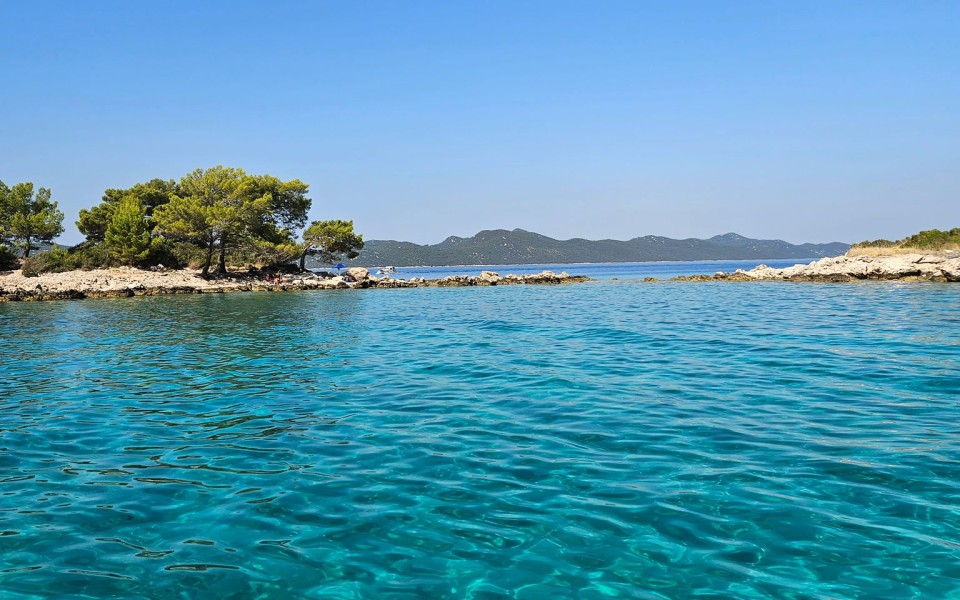
The Elafiti area is the classic choice because it offers short distances, multiple anchor points, and clear water that suits a half-day itinerary. It’s ideal if your priority is swimming, snorkeling, or finding a quieter bay away from crowded city beaches.
This option works well when you want:
- Several swim stops with minimal travel time
- A mix of beach, rocks, and sheltered coves
- A flexible route where the skipper can change the plan in minutes if conditions shift
Option 2: Dubrovnik coastline for views, cliffs, and quick escapes from the old town
A coastal route is perfect if you want iconic viewpoints and a fast, scenic trip without committing to longer crossings. You’ll spend more time enjoying the city from the water, with fewer “island moments,” but the visual payoff can be huge—especially when the light is good.
This route is a strong choice when:
- Your group wants more cruising and less hopping
- You’re short on time but still want a memorable boat day
- You prefer staying closer to your starting point
Build a half-day route using three layers: one main stop, two flexible stops, one wildcard
A reliable way to plan is to structure your itinerary like this:
1) Choose one “main stop” (60–90 minutes)
This is the place where you do the most—long swim, snorkeling, relaxing, or a beach break. Pick a spot that fits your group’s energy:
- Families often prefer calmer water and easier access in a sheltered bay
- Strong swimmers may enjoy deeper water and cliff-backed coves
- Photo-focused travelers may want a viewpoint stop where the boat can pause for the best angle
2) Add two flexible stops (20–40 minutes each)
These stops keep the trip varied without turning it into a race. Think of them as “best-of” moments: a quick swim, a short drift, or a calm bay for floating in crystal-clear water. If the first place feels perfect, you can always stay longer and skip the next point.
3) Keep one wildcard stop for conditions (10–30 minutes)
Wind and sea state can change faster than you expect. A smart half-day route includes one optional stop the skipper can activate if the original plan is too choppy, too busy, or simply less enjoyable than expected.
Estimate travel time realistically, not optimistically
In Dubrovnik, “it’s close on the map” doesn’t always mean it’s fast. Travel time depends on boat type, sea conditions, and traffic. A good planning habit is to treat every leg as:
- 10–20 minutes for short hops between nearby bays
- 20–40 minutes for reaching a different island or switching to a new area
- Extra minutes for slow zones, marina traffic, and safe approaches to anchor spots
A half-day route feels best when cruising time supports the experience, not when you spend a lot of the trip watching the wake.
Plan for what matters on a boat day: shade, water, and comfort
Small details make a big difference in how the day feels:
- Bring more drinking water than you think you need; sun and salt air drain energy quickly
- Pack one light layer, even in warm season, because wind on the boat can cool you down
- Use reef-safe sunscreen when possible and reapply after swimming
- Keep valuables in a dry bag and set one “safe place” on board for phones and documents
If anyone gets motion sickness, the best guide is simple: eat lightly, stay hydrated, and keep eyes on the horizon during travel legs.
Safety and local rules: what to expect before renting a boat or jet ski
Before every rental, guests should receive clear instructions on how to operate the boat or jet ski and which maritime laws and safety rules must be followed. This briefing is not just a formality—it protects your group, other people in the water, and the places you visit.
A proper pre-departure check usually includes:
- Basic operation and handling at different speeds
- Where you can and cannot go, including swim zones and busy areas
- Safe distance from the shore, swimmers, and other vessels
- How anchoring or stopping works in popular bays
- What to do if weather shifts or visibility drops
If anything feels unclear, ask before leaving the harbor. A good operator will explain it in straightforward language and adapt the plan to your comfort level.
Create your final itinerary: simple, flexible, and easy to follow
When you write your half-day boat route, keep it readable at a glance:
- Start point and departure time window
- Main stop (your priority place)
- Two optional stops in the same area
- A wildcard stop for wind or crowds
- A return point with a realistic buffer
The most enjoyable Dubrovnik boat trip is rarely the one with the most stops. It’s the one that matches your time, respects the sea, and gives you enough minutes in the water to feel like you truly escaped the city for a few hours.


